Update (Day 917) Swords of Iron-Lion’s Roar “Straits of Hormuz vs Suez Canal”
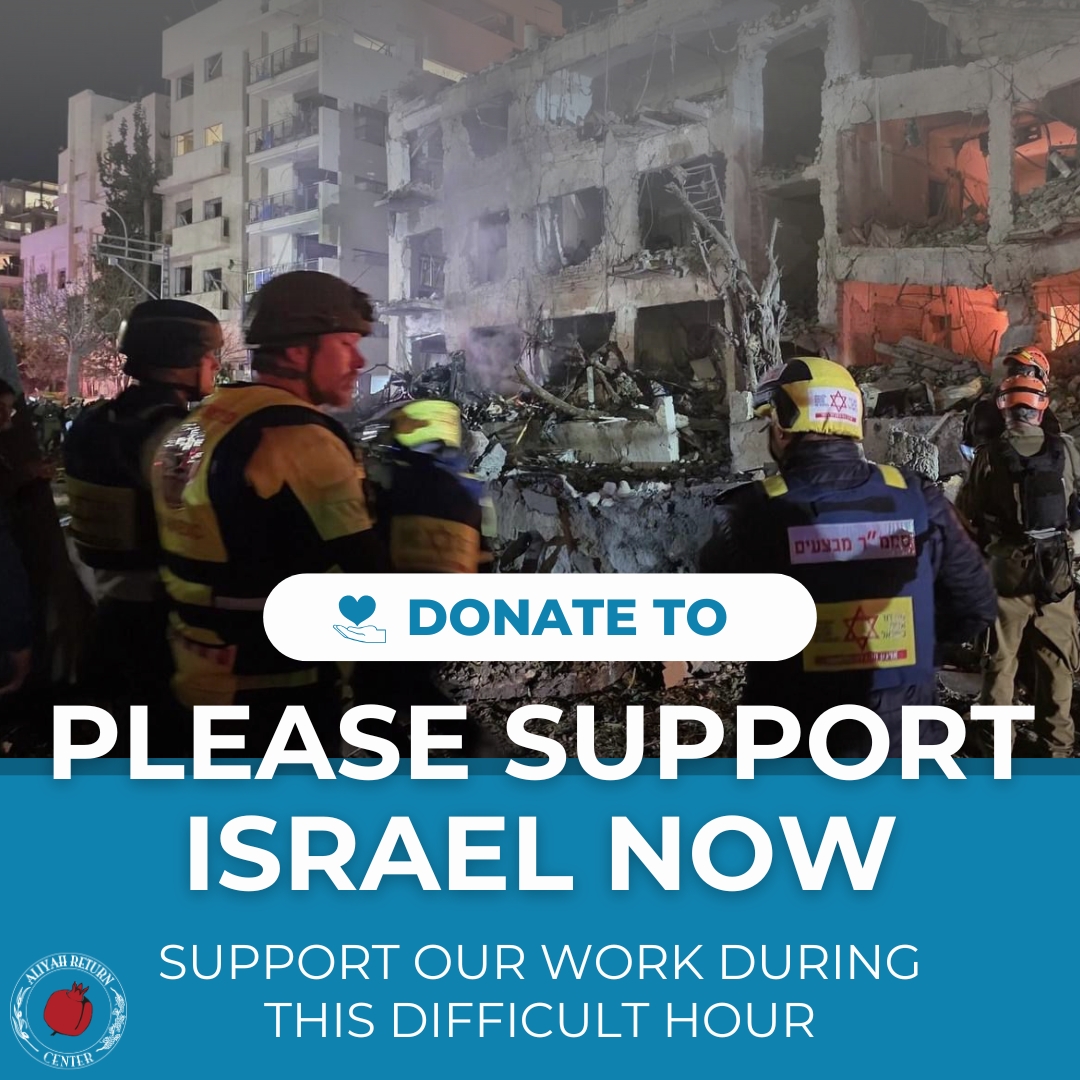
Sirens are sounding again and ambulances are being deployed, even near Ben Gurion Airport. Missiles from southern Lebanon, fired by Hezbollah, continue to hit Israel. This does not feel like de-escalation.
The IDF has warned that more Hezbollah infrastructure will be struck in the coming hours. Though there are brief lulls, the situation remains volatile. Civilians are urged to stay near shelters and remain alert. Schools may reopen Sunday, but uncertainty looms: will this pause hold, or will full-scale conflict return?
Diplomatically, the gap is wide. Iran has reportedly rejected key demands—ending uranium enrichment, dismantling missile and drone programs, and halting proxy warfare. Its counter-demands, including removing U.S. forces, are seen as unrealistic. The result is a fragile impasse.
The Strait of Hormuz remains a flashpoint. After briefly reopening, Iran has again restricted passage. This is not a local route but a vital global artery. Under international law, it must remain open; disruption risks wider escalation.
In Lebanon, Hezbollah continues to operate from within civilian areas, embedding weapons and command centers. Israel has targeted these assets, including senior operatives, aiming to stop attacks on its population. The broader issue is sovereignty: Hezbollah’s Iran-backed influence continues to weaken the Lebanese state and fuel instability.
Israel maintains its actions are defensive—focused on protecting civilians and preventing further strikes. Operations target infrastructure used against population centers, despite the complexity of fighting in civilian zones.
Strategically, global waterways are in focus. Unlike the Suez Canal, which is state-controlled, the Strait of Hormuz is an international passage where free transit is protected. Attempts to block it challenge international norms.
On the ground, operations continue. Intelligence-driven strikes have targeted underground networks, weapons systems, and command centers. Yet the threat persists, and military readiness remains high. No one sees this ceasefire as permanent.
The human toll is significant: civilians killed, thousands injured, and many displaced. Communities continue to live between sirens and shelters.
So the question remains: is this a turning point, or another cycle in a long conflict?
As we observe Shabbat, the hope is for quiet—but also for clarity and lasting security.
“For the Lord your God is the one who goes with you to fight for you against your enemies and to give you victory” (Deuteronomy 20:4).
Account name: Promised Land Shelters, R.A
Bank: FIBI (First International Bank of Israel) Bank number: 31
Branch: 002 Address: 1 Kikar Rabin, Tiberias Israel 1412201
Account number: 662151
Swift: FIRBILITXXX
Iban code: IL270310020000000662151
Please note: To receive a receipt and acknowledgment, please send a us copy of the transfer to communications@aliyahreturncenter.com or specify your email address when making the bank transfer.